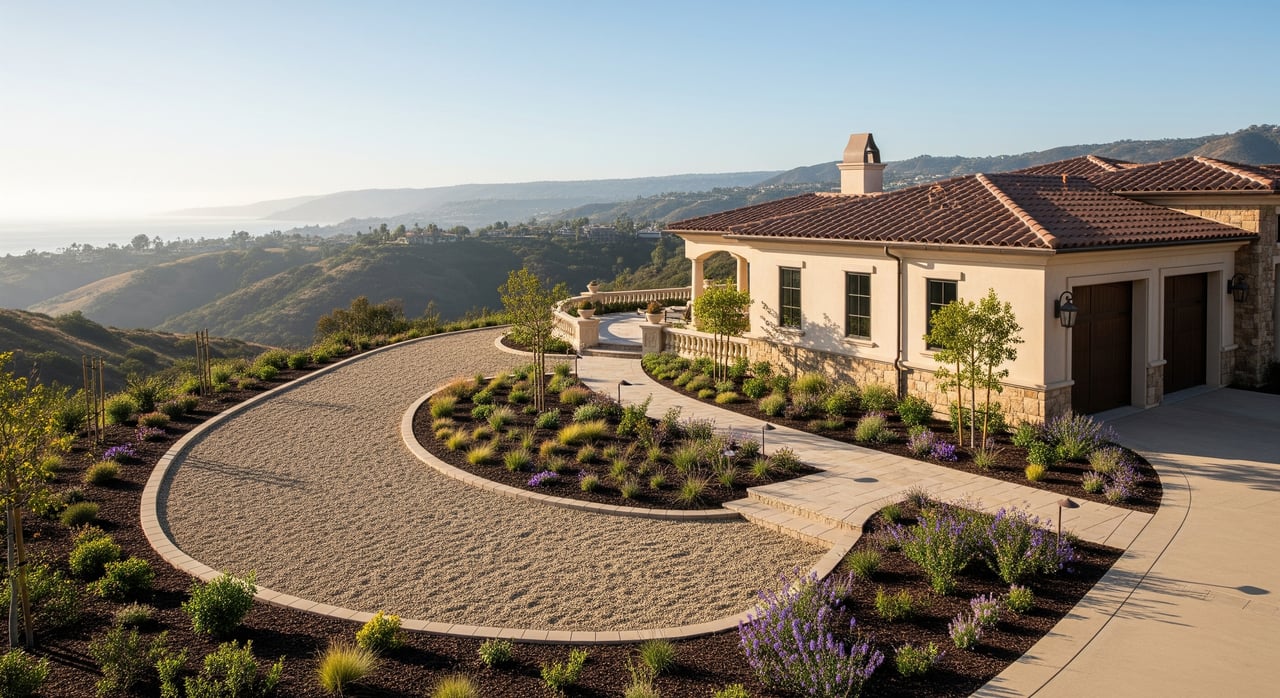
Wildfire Disclosure & Defensible Space for LN Sellers
October 16, 2025
October 16, 2025
Selling in Laguna Niguel and wondering how wildfire rules might affect your escrow? You are not alone. Buyers, lenders, and insurers now expect clear wildfire disclosures and proof of defensible space, and the city recently adopted updated Fire Hazard Severity Zones. This guide shows you what to disclose, how to confirm your zone, who inspects, and the simple fixes that help you pass. Let’s dive in.
If your home is in a mapped High or Very High Fire Hazard Severity Zone, your Natural Hazard Disclosure must say so. California’s statute spells out the NHD requirements, including how High and Very High zones are identified. You or your agent typically deliver this using a standard NHD package. See the statutory language in Civil Code Section 1103.2 and the City’s update on local mapping and adoption on the Laguna Niguel FHSZ page.
If the property is in a High or Very High zone, state law requires you to provide documentation that the home complies with defensible space standards or have a signed agreement with the buyer for them to obtain it within one year after close. The requirement is in Civil Code Section 1102.19. Inspections are based on the 100‑foot defensible space standard in PRC 4291.
Start with CAL FIRE’s defensible space and zone guidance, then verify your parcel on local resources. The City of Laguna Niguel notes updated maps and local adoption, and explains when disclosures and building standards apply. Review the City’s page on Fire Hazard Severity Zones and CAL FIRE’s defensible space guidance.
OCFA provides information for sellers and a property area reference that indicates whether AB 38 applies in its jurisdiction. If your Laguna Niguel property is within the mapped area, you can request an inspection through OCFA’s Defensible Space Disclosure page.
Laguna Niguel is served by the Orange County Fire Authority. For properties in OCFA jurisdiction and within the mapped area, OCFA performs the defensible space inspection and issues the clearance document. OCFA states the final clearance inspection is provided at no cost on its AB 38 FAQ.
A few Orange County cities run their own fire departments. If a parcel is outside OCFA’s jurisdiction, contact that city’s fire department for its process. To confirm your status and request service in OCFA areas, use the OCFA AB 38 page.
Confirm your zone. Check the City’s FHSZ page and CAL FIRE guidance to see if your parcel is in a High or Very High zone. Start with the City’s FHSZ page and CAL FIRE’s defensible space guidance.
Prepare the NHD. Make sure your Natural Hazard Disclosure clearly shows FHSZ status per Civil Code 1103.2.
Complete the fire‑hardening disclosure when required. Many sellers in mapped zones use the C.A.R. FHDS form to disclose defensible space and certain hardening features, especially for pre‑2010 homes. See C.A.R.’s overview in its New Laws guidance.
Request an inspection early. If your home is in OCFA’s mapped area, request an AB 38 defensible space inspection on OCFA’s Defensible Space Disclosure page.
Deliver documentation or sign the one‑year agreement. Provide the clearance report to the buyer, or use the statutory buyer agreement if timing is tight, per Civil Code 1102.19.
Fix items if you do not pass. Address vegetation, debris, and spacing issues, then schedule re‑inspection. Use CAL FIRE’s defensible space guidance to prioritize work.
Save proof of work. Keep before and after photos, receipts, and contractor details. This supports your disclosures and gives buyers confidence.
Inspections follow the state defensible space standard out to 100 feet, with the strictest focus closest to the structure. CAL FIRE outlines Zone 0 at 0 to 5 feet, Zone 1 at 5 to 30 feet, and Zone 2 at 30 to 100 feet. See CAL FIRE’s defensible space guidance and the statutory baseline in PRC 4291.
Common items that cause failures:
Low‑cost fixes that help you pass:
Expect three items to show up in your paperwork. Your NHD will flag High or Very High FHSZ status per Civil Code 1103.2. If applicable, your agent will include the C.A.R. FHDS disclosure, and you will provide an OCFA clearance report or the one‑year buyer agreement found in Civil Code 1102.19. See OCFA’s overview of the clearance document on its Defensible Space Disclosure page.
Timing matters. Sellers who secure the inspection and final documentation early usually see a smoother escrow and fewer buyer credits tied to wildfire risk. Mitigation can also support insurance conversations, though outcomes vary by carrier. For buyer resources, point to OCFA’s vegetation management page and the state’s “Safer From Wildfires” guidance from Cal OES on defensible space benefits.
Preparing now helps you protect your timeline and your bottom line. If you want a parcel check, a plan to pass inspection, or help presenting your mitigation to buyers, reach out to Jason Bonfiglio for local, concierge‑level listing guidance.
Stay up to date on the latest real estate trends.


Lifestyle
_Discover the Hidden Gems of Laguna Beach's Coffee Scene_

Lifestyle
Enhance Your Lifestyle with Cutting-Edge Technology in Laguna Niguel

Lifestyle
Essential Tips for Childproofing Your Home in [City]

Real Estate
Proven Renovations to Boost Your Home Equity Fast in Laguna Niguel
Real Estate
Seasonal Home Maintenance Checklist for San Clemente Residents: Essential Tasks for a Safe, Efficient, and Beach-Ready Home

Lifestyle
Simplify Your Move with These Expert Strategies

Real Estate
Essential Inquiries for Your Next Home Tour in Laguna Niguel
As a SoCal native and passionate local Real Estate Agent, I'll guide you through every step of your real estate journey, combining market expertise with a tailored strategy just for you.

JASON BONFIGLIO, MBA, REALTOR
1200 Newport Center Dr. Suite 100 Newport Beach, CA, 92660 JASON BONFIGLIO | CA DRE# 02239377